Olive Skin Undertone Guide
Unique green-grey melanin depth across diverse complexions. Learn how to verify your undertone with daylight tests, choose flattering wardrobe colors, select correct makeup, and find your 12-season palette.
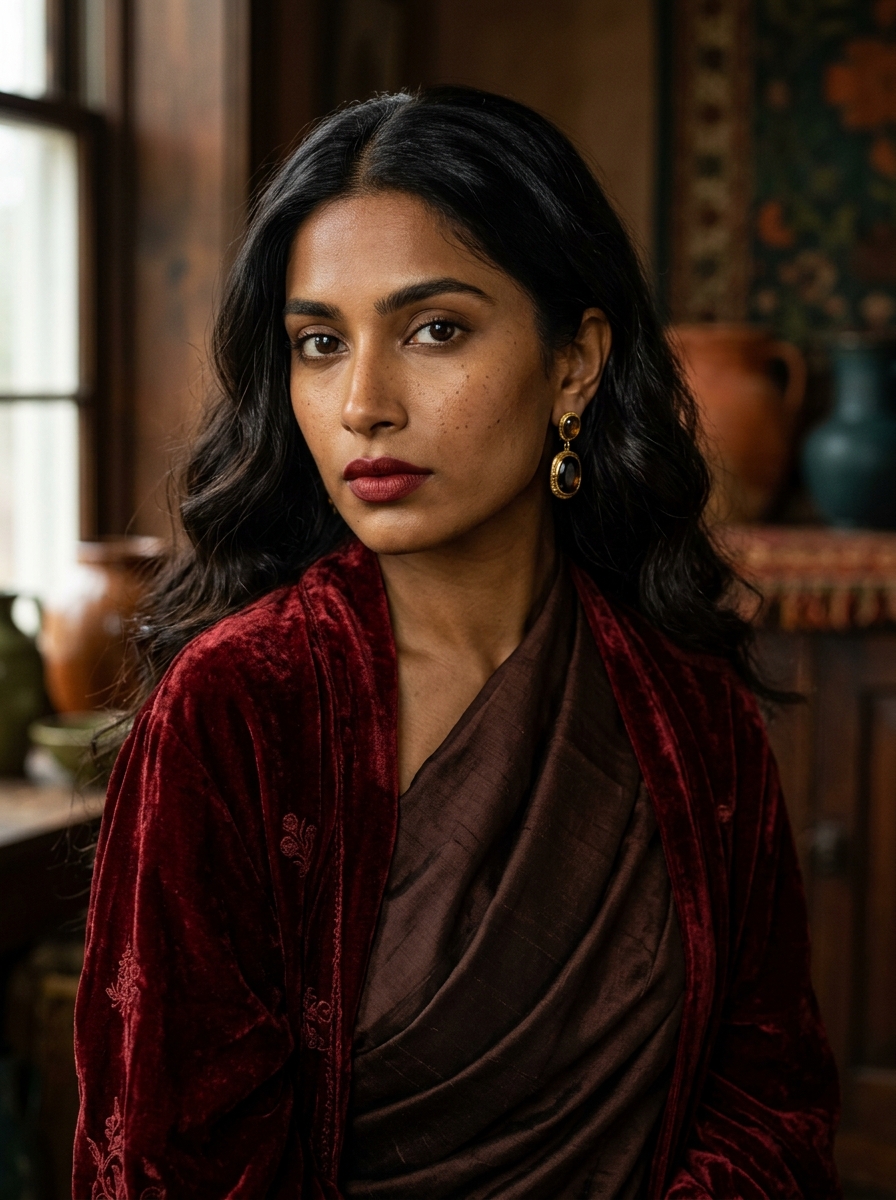
The Science of Olive Skin Undertone
Olive skin undertones have a distinct greenish or grey-cast hue created by a unique blend of yellow carotene and cool blue-melanin pigments. Found globally across Mediterranean, South Asian, Middle Eastern, Latin American, East/Southeast Asian, and Black complexions.
4 Ways to Test for Olive Skin Undertone
Veins often appear distinctly deep green or teal. Under indirect natural daylight, a subtle greenish or golden-grey cast is visible around the neck, collarbone, and jawline.
Brushed gold, antique bronze, and oxidized silver harmonize best with olive depth. Hyper-bright polished yellow gold can look too brassy, and stark shiny chrome can look harsh.
Soft off-white, oat beige, and muted stone white look sophisticated and natural. Stark optic white can accentuate green cast in unflattering ways.
Tans very easily and deeply to rich golden-olive or deep bronze, rarely burning. In winter, skin can take on a slight ashen or pale greenish tint.
Look for specialized olive undertone foundations or neutral-olive shades (often labeled 'G' for Golden-Olive or 'O'). Avoid pink foundations that look like an unnatural mask, and overly orange warm foundations.
Colors That Clash with Olive Skin Undertone
12-Season Palettes for Olive Skin Undertone
Deep Autumn
Dark chocolate, garnet red, moss green, and deep teal.
Soft Autumn
Muted terracotta, soft olive, sage green, and warm beige.
Deep Winter
Midnight navy, pine green, deep plum, and true black.
Soft Summer
Smoky teal, pewter green, dusty rose, and soft charcoal.